QWERNOX, the weathering steel from three specialist plate mills
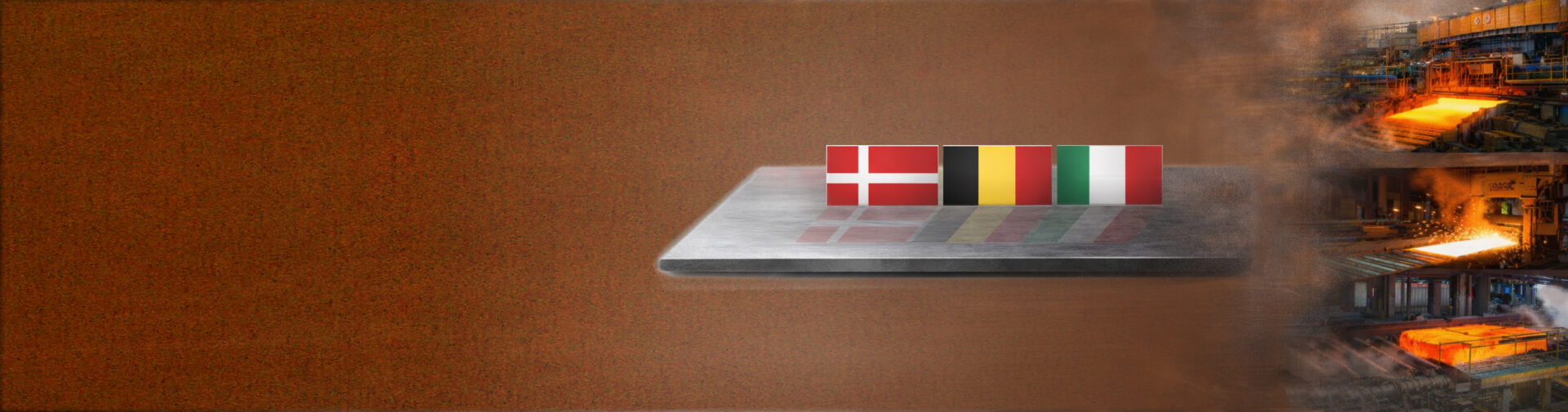
QWERNOX is the structural weathering steel brand of NLMK’s European plate mills, bringing together the know-how of three complementary sites in Belgium, Denmark and Italy. It is registered as a European Union trademark owned by NLMK Plate Sales.
Together, NLMK Clabecq, NLMK DanSteel and NLMK Verona supply weathering steel for bridges, civil engineering, architecture and large artworks, from thin plates for façades to very thick ones for main bridge girders.
A coordinated European production network
Together, NLMK DanSteel, NLMK Clabecq and NLMK Verona form a coordinated industrial network capable of delivering weathering steel solutions for a wide range of structural applications.
NLMK DanSteel – expertise in wide and heavy plates
NLMK DanSteel, located in Frederiksværk, Denmark, plays a central role in the production of wide and heavy quarto plates for large engineering structures. The plant operates modern rolling equipment designed to deliver plates with excellent mechanical consistency across significant widths and thicknesses.
One of DanSteel’s main strengths is its ability to produce very wide plates, with widths reaching four metres. These wide formats are particularly valuable for bridge construction, offshore structures and other large steel assemblies, where reducing the number of weld seams improves structural efficiency and fabrication productivity.
Advanced rolling technologies, including sophisticated roll bending and thickness control systems, ensure consistent flatness and dimensional accuracy even in heavy sections. This capability is essential for infrastructure components such as bridge girders, wind energy structures and heavy civil engineering elements where mechanical reliability must be maintained across large plate dimensions.
DanSteel also benefits from extensive experience supplying steel for demanding industrial environments. Over the years, the plant has contributed to numerous offshore wind projects and large engineering installations, demonstrating its ability to deliver materials capable of performing reliably in harsh conditions.
In the context of QWERNOX, DanSteel provides the capability to produce large structural weathering steel plates, particularly for infrastructure projects requiring significant plate width and thickness.
NLMK Clabecq – precision rolling for thin and medium plates
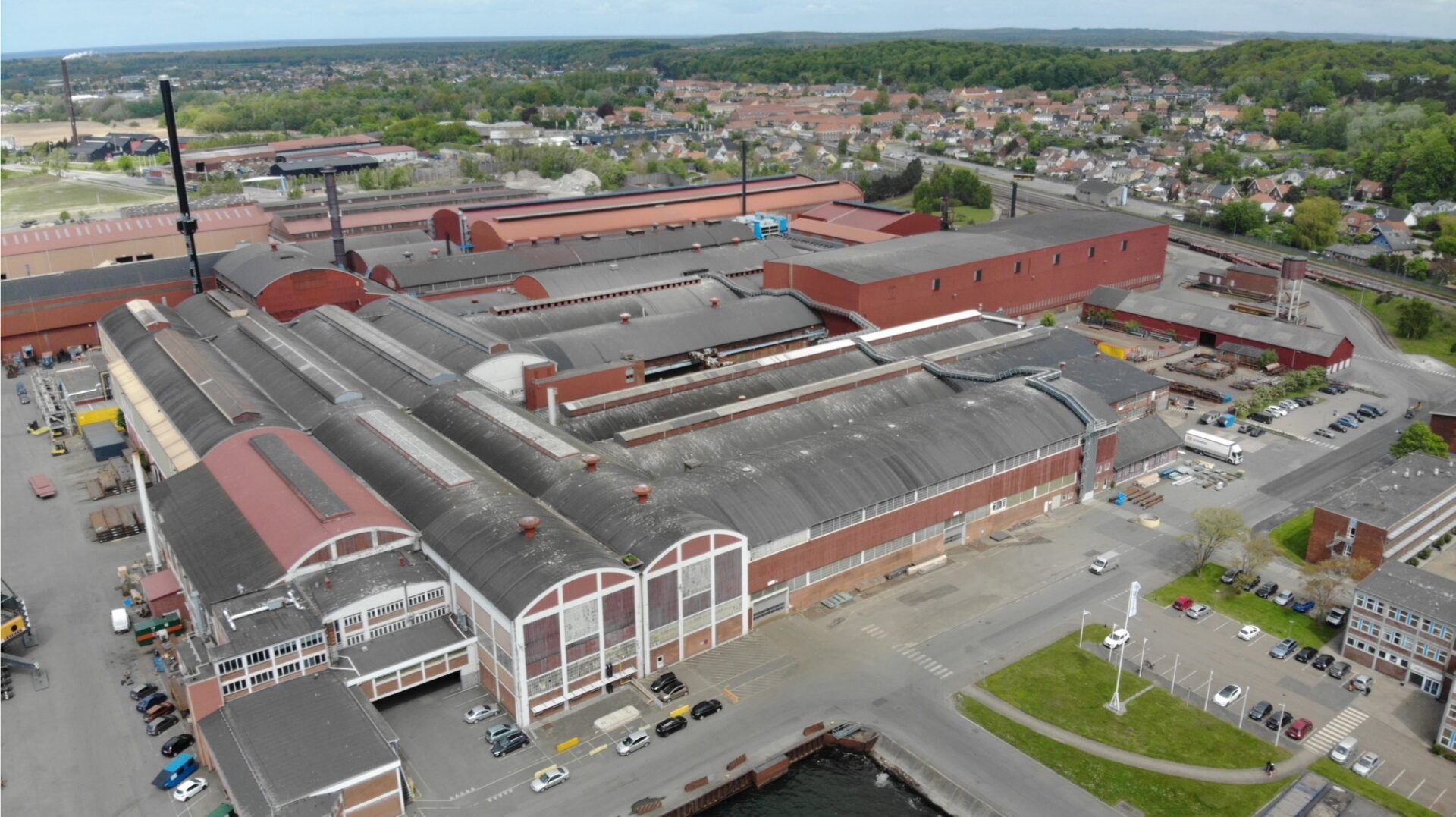
NLMK Clabecq in Belgium specialises in thin and medium quarto plates, where dimensional precision and surface quality are particularly important.
Clabecq operates a unique rolling configuration combining a reversible quarto mill and a continuous finishing mill installed on the same production line. This configuration allows plates to be rolled in a highly controlled process with exceptional consistency in thickness and flatness.
Because the plates remain on the same rolling line throughout the process, temperature losses between rolling stages are minimised and the production process becomes both more efficient and more stable. This continuous rolling approach enables precise control of the final plate geometry and contributes to the excellent dimensional accuracy associated with Clabecq production.
The plant has also developed InThinity, a high-precision rolling concept designed specifically to deliver consistent thickness and flatness in thin structural plates. This capability is particularly valuable for plates below approximately 15 mm thickness, where fabrication processes such as cutting, bending and welding require extremely predictable dimensional behaviour.
In the QWERNOX production network, Clabecq therefore plays a key role in delivering precision-rolled weathering steel plates, ensuring that thin and medium plate ranges combine structural performance with excellent fabrication properties.
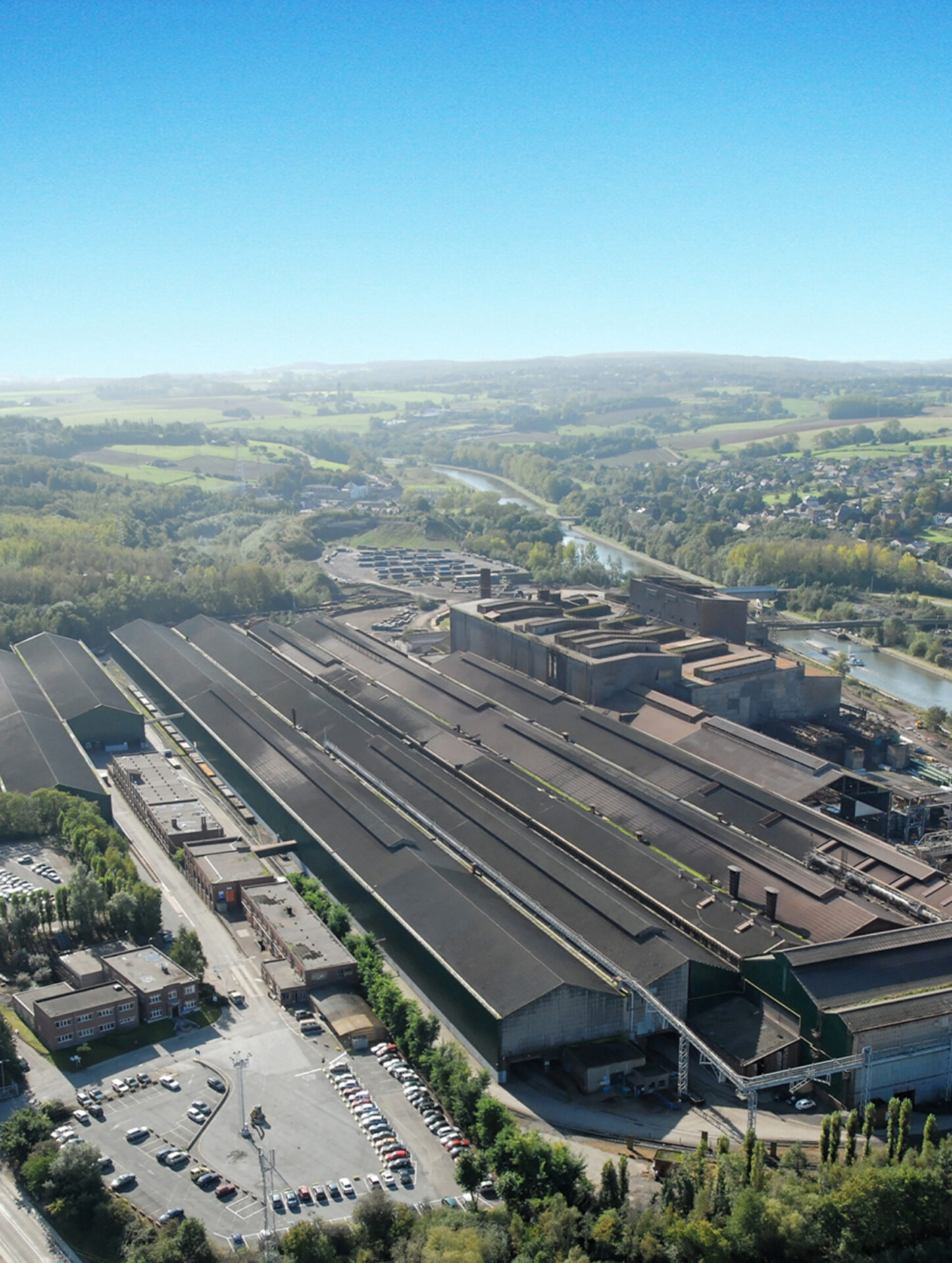
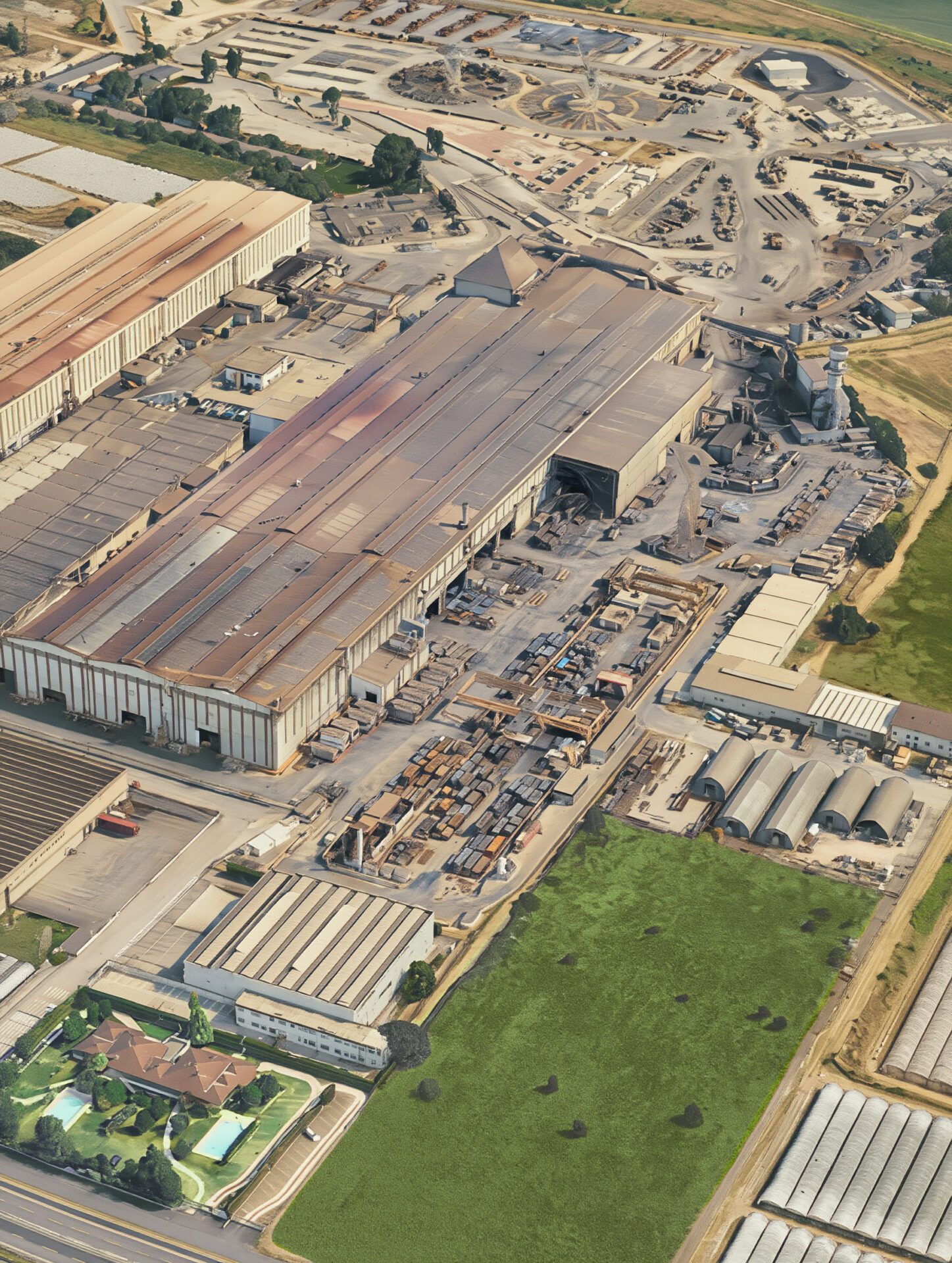
NLMK Verona – low-carbon steelmaking and integrated production
The third component of the QWERNOX production network is NLMK Verona in Italy, which provides the steelmaking foundation for part of the product range. Unlike the other plants, Verona operates an Electric Arc Furnace (EAF) steelmaking route, based primarily on recycled steel scrap.
This production method offers a significantly lower carbon footprint compared with traditional blast furnace steelmaking routes. By melting recycled steel using electric energy, the EAF process reduces direct emissions and supports the circular use of steel as a raw material.
At Verona, scrap is melted in a modern electric arc furnace and then refined using ladle metallurgy and vacuum degassing processes. These stages allow precise control of chemical composition and steel cleanliness, both essential for producing high-quality structural steels.
The molten steel is subsequently cast into slabs using a continuous casting machine capable of producing large sections suitable for plate rolling. These slabs can then be rolled into plates at the group’s rolling facilities.
Because the EAF route relies heavily on recycled material and can be supplied with renewable electricity, the carbon footprint of slabs produced in Verona is significantly lower than the global average for steel production. This makes it possible to offer QWERNOX plates with reduced carbon emissions, supporting infrastructure projects that aim to reduce their environmental impact.
In the QWERNOX ecosystem, Verona therefore contributes the sustainable steelmaking route that underpins the product’s environmental performance.